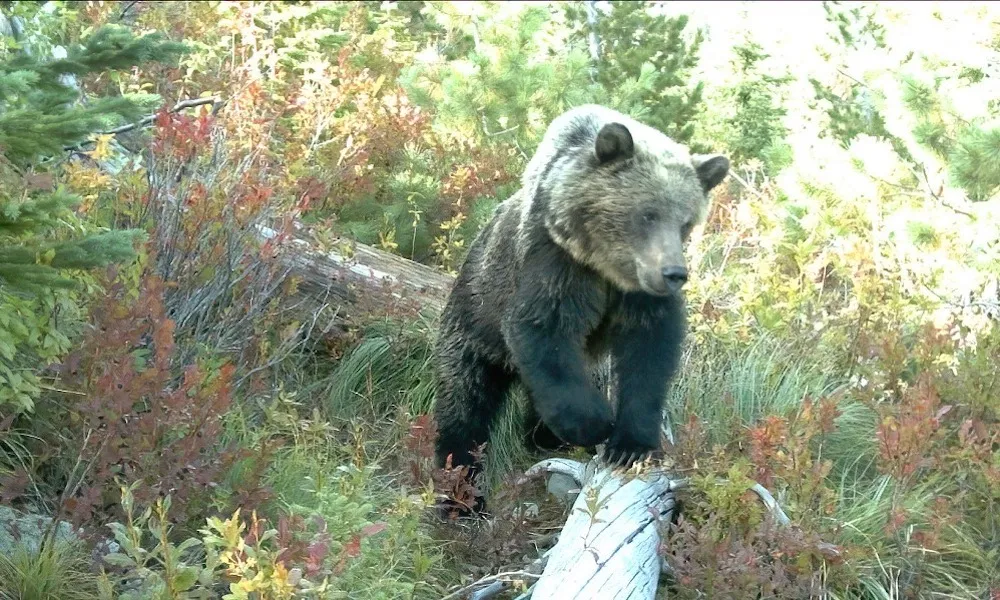
The Selway-Bitterroot Wilderness: A Pristine Battleground for Conservation
Nestled across the rugged landscapes of Idaho and Montana, the Selway-Bitterroot Wilderness Area stands as one of the largest and most untamed expanses in the contiguous United States. Its majestic peaks, deep canyons, and vast, roadless forests, part of the larger Bitterroot Mountains range, offer a glimpse into an America largely untouched by modern development. This formidable wilderness, encompassing portions of the Bitterroot National Forest, Lolo National Forest, and Nez Perce-Clearwater National Forests, is not merely a backdrop for breathtaking vistas or challenging backpacking trips; it is a vibrant, complex ecosystem and, critically, a focal point for intense debates surrounding wilderness management. The decisions made here reverberate through wildlife populations, local economies, and the very definition of conservation in the 21st century.
From the towering granite spires that draw experienced climbers to its remote, unnamed lakes perfect for solitude, the Bitterroot's character is defined by its wildness. However, managing such an expansive and ecologically sensitive area inevitably brings competing interests into sharp relief. At the heart of many contemporary discussions lies the tension between resource utilization—such as timber harvesting—and the imperative to preserve wilderness character, protect endangered species, and maintain ecological integrity. This delicate balance often manifests in significant policy discussions, exemplified by instances like a Bitterroot National Forest Logging Pause, which, when implemented, can dramatically shift the landscape of both the forest and the surrounding communities.
Understanding the Bitterroot National Forest Logging Pause: A Deep Dive into Conservation Dynamics
While the specifics of any particular Bitterroot National Forest Logging Pause might vary, understanding the underlying principles and pressures that lead to such decisions is crucial for grasping modern wilderness management. A logging pause is rarely a unilateral decision but rather the outcome of extensive review, scientific assessment, public input, and, often, legal challenges. It represents a moment where the ecological costs or risks associated with timber extraction are deemed to outweigh the immediate economic benefits, at least temporarily.
Reasons for implementing a logging pause in an area like the Bitterroot are multifaceted:
- Endangered Species Protection: The presence of threatened or endangered species, particularly apex predators like the grizzly bear, can trigger extensive habitat protection measures, often leading to logging moratoriums in critical areas.
- Watershed Health: Forested watersheds are vital for providing clean drinking water to downstream communities. Logging can impact water quality, increase runoff, and contribute to erosion, prompting pauses to protect water resources.
- Wilderness Character Preservation: As a designated wilderness area, the Selway-Bitterroot is managed to preserve its untrammeled nature. Logging, by its very definition, alters this character, and pauses may be implemented to maintain wilderness values.
- Recreational Impact: Extensive logging operations can disrupt popular recreational activities, from hiking and hunting to fishing and backpacking, affecting the visitor experience and local tourism economies.
- Scientific Review and Planning: Sometimes, a pause is enacted to allow for new scientific studies, revised forest management plans, or environmental impact assessments to be completed before irreversible decisions are made.
Such pauses underscore the dynamic tension between the timber industry's need for resources and the public's desire for intact wilderness. They highlight the intricate web of stakeholders, including environmental advocacy groups, local residents, federal agencies, and timber companies, all vying for their vision of the forest's future.
The Grizzly Bear Factor: A Keystone Species in Logging Decisions
Few species embody the challenges of wilderness management quite like the grizzly bear. The Bitterroot Ecosystem is a designated recovery area for grizzlies, and their reintroduction and management are often central to land-use decisions within the Bitterroot National Forest. As highlighted by ongoing news regarding grizzly bear recovery, issues like budget constraints, food storage order violations (even in neighboring areas like Lolo National Forest), and new studies on grizzly habitat use consistently demonstrate the delicate balance required.
Grizzly bears are an umbrella species; protecting their vast habitat helps safeguard countless other species and the overall health of the ecosystem. Their need for large, undisturbed territories free from significant human encroachment means that logging operations, which can fragment habitat, disturb denning sites, and increase human access into bear country, are meticulously scrutinized. A Bitterroot National Forest Logging Pause might be directly linked to efforts to protect core grizzly habitat, ensure connectivity between populations, or reduce potential human-bear conflicts.
The challenges of coexisting with grizzlies also extend to visitors. Implementing and enforcing food storage orders, educating the public on safe practices, and managing trails to minimize encounters are all part of the complex conservation strategy. For a deeper understanding of these ongoing struggles and their implications for the future of the Selway-Bitterroot, explore related discussions on Bitterroot Grizzly Bear Challenges for Forest Management.
The Broader Spectrum of Wilderness Management Challenges
Beyond the highly visible debates surrounding timber harvesting, the Selway-Bitterroot Wilderness faces a host of other complex management challenges. These issues demand constant attention from the U.S. Forest Service and other conservation bodies:
- Wildfire Management: The region's dry summers and vast, interconnected forests make it prone to large-scale wildfires. Debates rage over the optimal approach: aggressive suppression, allowing natural fires to burn, or controlled prescribed burns to reduce fuel loads. Each strategy has significant ecological and economic implications.
- Recreational Overuse: While the Selway-Bitterroot is vast, popular trailheads and destinations can experience significant human impact. Issues like trail erosion, waste management, and disturbance to wildlife become more pronounced as visitor numbers grow, especially in areas offering pristine backcountry experiences.
- Invasive Species: Non-native plants, insects, and diseases pose a constant threat to native ecosystems. Managing their spread often requires intensive, costly interventions.
- Climate Change Impacts: Shifting weather patterns, increased temperatures, and changes in precipitation are altering forest health, wildfire regimes, and water availability, adding another layer of complexity to long-term management strategies.
- Funding and Resources: Federal agencies often operate with limited budgets, making it challenging to adequately monitor, protect, and manage such a massive and remote wilderness area.
Engaging in Sustainable Wilderness Use
For visitors drawn to the Selway-Bitterroot's allure, personal responsibility plays a crucial role in its preservation. Adhering to Leave No Trace principles is paramount:
- Plan Ahead and Prepare: Know the regulations and be ready for changing weather.
- Travel and Camp on Durable Surfaces: Stick to established trails and campsites.
- Dispose of Waste Properly: Pack it in, pack it out, and bury human waste away from water sources.
- Leave What You Find: Preserve cultural artifacts and natural features.
- Minimize Campfire Impacts: Use established fire rings, keep fires small, and ensure they are dead out.
- Respect Wildlife: Observe from a distance, never feed animals, and store food securely (especially critical in grizzly country).
- Be Considerate of Other Visitors: Preserve the tranquility of the wilderness.
Economic Realities Versus Ecological Imperatives
Any decision, such as a Bitterroot National Forest Logging Pause, inevitably stirs a debate between economic interests and ecological conservation. Timber harvesting has historically been a cornerstone of many communities bordering national forests, providing jobs and revenue. A logging pause, while beneficial for the environment, can mean lost wages, mill closures, and economic hardship for these communities.
Conversely, proponents of conservation argue that the long-term economic benefits of a healthy, intact wilderness far outweigh short-term gains from timber. A pristine Selway-Bitterroot attracts tourism, supports a vibrant outdoor recreation industry, ensures clean water supplies, and provides invaluable ecosystem services that are difficult to quantify but essential for human well-being. The challenge lies in finding sustainable economic pathways for local communities that are compatible with robust wilderness protection.
The political landscape surrounding these issues is often polarized, with national interests sometimes clashing with local needs. Crafting solutions requires transparent dialogue, scientific rigor, and a willingness to explore innovative approaches that can bridge the divide between economic development and environmental stewardship. For deeper context on the complexities of gathering specific information regarding past logging pauses and the associated data, consult resources like Bitterroot Logging Pause: No Relevant Info in Context, which highlights the nuanced nature of reporting such events.
Conclusion
The Selway-Bitterroot Wilderness and the surrounding Bitterroot National Forest represent a magnificent, yet challenging, landscape to manage. The ongoing debates, whether centered on a Bitterroot National Forest Logging Pause, grizzly bear recovery, or wildfire management, reflect deeply held values and legitimate concerns from all sides. Striking a balance between preserving this irreplaceable natural heritage and meeting the needs of human communities requires continuous scientific research, adaptive management strategies, and, most importantly, collaborative dialogue. As pressures on wild spaces continue to mount, the decisions made in the Selway-Bitterroot will serve as a crucial barometer for wilderness management across the nation, shaping the future of one of America's last great wild places.