Understanding the Bitterroot National Forest: A Foundation for Forest Management Discussions
In the realm of environmental news and land management, specific events like a "Bitterroot National Forest Logging Pause" often draw significant attention from conservationists, industry stakeholders, and the general public alike. However, in our attempt to unearth detailed information regarding such a pause, our research into available public contexts reveals a notable absence. This article, therefore, will delve into the broader landscape of the Bitterroot National Forest, examining the complex factors that influence its management, and by extension, any potential decisions surrounding timber harvesting.
The Bitterroot National Forest, nestled predominantly in western Montana and eastern Idaho, is a vast expanse of rugged mountains, pristine wilderness, and diverse ecosystems. It encompasses over 1.6 million acres, offering breathtaking vistas, critical wildlife habitat, and extensive recreational opportunities. Characterized by the dramatic peaks of the Bitterroot Mountains, deep canyons, and a mosaic of forest types ranging from ponderosa pine to subalpine fir, this forest is a jewel of the American West. Its historical significance, tied to early exploration and Native American heritage, adds further layers to its profound importance.
Given its scale and ecological significance, managing the Bitterroot National Forest is a multifaceted undertaking, balancing the needs of timber production, recreation, wildlife conservation, watershed protection, and wildfire mitigation. Decisions around any aspect of forest use, especially something as impactful as logging, are rarely made in a vacuum. They are typically the culmination of extensive scientific study, public commentary, and adherence to federal environmental regulations like the National Environmental Policy Act (NEPA).
The Intricacies of Forest Management: More Than Just Timber
When discussions around public forests arise, logging often becomes a focal point. Yet, modern forest management, particularly within National Forests, is a far more nuanced practice than simply harvesting timber. It's an integrated approach that seeks to maintain the health, diversity, and productivity of forest ecosystems for present and future generations. While timber sales are a significant economic component and can be used as a tool for forest health (e.g., reducing fuel loads, promoting species diversity), they are just one piece of a much larger puzzle.
Factors that influence forest management decisions in areas like the Bitterroot National Forest include:
- Ecosystem Health: Managers consider tree density, disease prevalence, insect outbreaks, and the overall vitality of plant communities. Thinning, for instance, can sometimes mimic natural disturbance patterns, making forests more resilient to wildfires and climate change.
- Wildfire Risk: The Western United States has seen an increase in large, destructive wildfires. Forest management plans often incorporate strategies to reduce fuel loads, create defensible spaces, and enhance fire suppression capabilities. This might involve prescribed burns or targeted logging to thin dense stands.
- Wildlife Conservation: Protecting habitat for a wide array of species, from elk and deer to sensitive and endangered species, is a primary concern. This often dictates where and when certain activities, including logging, can occur.
- Recreation: The Bitterroot National Forest is a playground for hikers, campers, anglers, hunters, and winter sports enthusiasts. Management plans must consider the impact of activities on visitor experience and access.
- Watershed Protection: Healthy forests are critical for clean water. Management practices aim to minimize soil erosion and protect water quality in the streams and rivers that flow through the forest.
- Economic Considerations: Timber harvesting provides jobs and supports local economies. Decisions often weigh the economic benefits against ecological impacts and other public values.
Understanding this comprehensive framework is essential for appreciating why any decision, whether a "Bitterroot National Forest Logging Pause" or an approval of new timber sales, would be subject to rigorous scrutiny and public debate. The balance struck between these competing interests defines the legacy of our public lands.
Grizzly Bears and Wilderness: Key Influences on Bitterroot Decisions
Two elements that exert particularly strong influence over management practices in the Bitterroot National Forest are the presence of iconic wildlife, specifically the grizzly bear, and the extensive designated wilderness areas within and adjacent to the forest.
Grizzly Bear Conservation: A Defining Factor
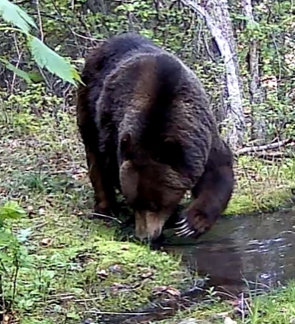
The Bitterroot ecosystem is a crucial area for grizzly bear recovery. These magnificent creatures are listed as threatened under the Endangered Species Act in the Lower 48 states, and their presence mandates significant considerations in any land-use planning. The mention of "Bitterroot Grizzly Bear News" in related contexts highlights the ongoing efforts and challenges associated with their reintroduction and management.
Decisions concerning timber harvesting, road construction, and even recreational access can directly impact grizzly bear habitat, movement corridors, and potential for human-wildlife conflict. A logging project, for example, might be paused or significantly altered if it's found to disturb critical denning sites, reduce food sources, or fragment essential habitat. The recovery of the grizzly bear in the Bitterroot has been a long and often contentious journey, underscoring the delicate balance between human activity and wildlife needs.
For a deeper dive into how grizzly bear populations impact forest management, explore our related article: Bitterroot Grizzly Bear Challenges for Forest Management.
The Selway-Bitterroot Wilderness: A Realm Apart
Portions of the Bitterroot National Forest are contiguous with, or form part of, the vast Selway-Bitterroot Wilderness Area – one of the largest wilderness areas in the contiguous United States. Within designated wilderness, the ethos of "untrammeled by man" prevails. This means commercial logging, motorized vehicles, and permanent structures are generally prohibited. The purpose is to preserve areas where natural processes dominate and human impact is minimal.
The existence of such a massive wilderness area adjacent to or within a National Forest creates interesting challenges and opportunities. While logging is excluded from wilderness, management actions outside these boundaries can still affect their ecological integrity. For instance, fire management strategies within the forest can have implications for how fire moves into or out of the wilderness. Understanding the specific designations of land – whether it's general National Forest land, a wilderness study area, or designated wilderness – is crucial for any discussion about activities like timber harvesting. The debates around wilderness management often highlight fundamental philosophical differences about the role of humans in nature.
To learn more about these complex discussions, see our article: Wilderness Management Debates in Selway-Bitterroot.
Navigating Information Gaps and Seeking Reliable Data
The initial search for information regarding a "Bitterroot National Forest Logging Pause" yielded no specific data, emphasizing a common challenge in environmental journalism and public discourse: the availability and accessibility of precise, up-to-date information on complex land management issues. Official decisions regarding logging pauses, new projects, or policy shifts are typically announced through official channels.
For those seeking concrete details on forest activities, the most reliable sources include:
- U.S. Forest Service Websites: Each National Forest, including the Bitterroot, maintains an official website (e.g., fs.usda.gov/bitterroot) that provides news releases, project documents, environmental assessments, and public comment opportunities.
- Federal Register: For formal notices related to environmental policy and projects.
- Local News Outlets: Newspapers and media in communities surrounding the Bitterroot National Forest often report on local forest service decisions and public meetings.
- Conservation and Industry Group Publications: Organizations dedicated to conservation or timber industries often publish analyses and news related to forest management, though it's important to consider their specific perspectives.
If a "Bitterroot National Forest Logging Pause" were to occur, it would likely be due to a range of reasons, such as legal challenges, new scientific findings, shifts in policy, or unexpected environmental developments. Such decisions are rarely made without extensive internal review and, often, public involvement.
Conclusion: The Ongoing Stewardship of the Bitterroot National Forest
While specific information regarding a "Bitterroot National Forest Logging Pause" remains elusive in our immediate context, the exploration of this topic underscores the dynamic and intricate nature of managing one of America's most treasured natural landscapes. The Bitterroot National Forest is a crucible where economic interests, ecological imperatives, and recreational desires continually intersect. Decisions related to timber harvesting, like all forest management actions, are deeply influenced by the forest's unique characteristics, its vital role in grizzly bear recovery, and the presence of vast wilderness areas. Understanding these underlying complexities is essential for any informed discussion about the future of our public lands, even in the absence of specific news. It reminds us that stewardship of places like the Bitterroot National Forest is an ongoing, evolving responsibility that requires constant vigilance, scientific insight, and engaged public participation.